About
About Us
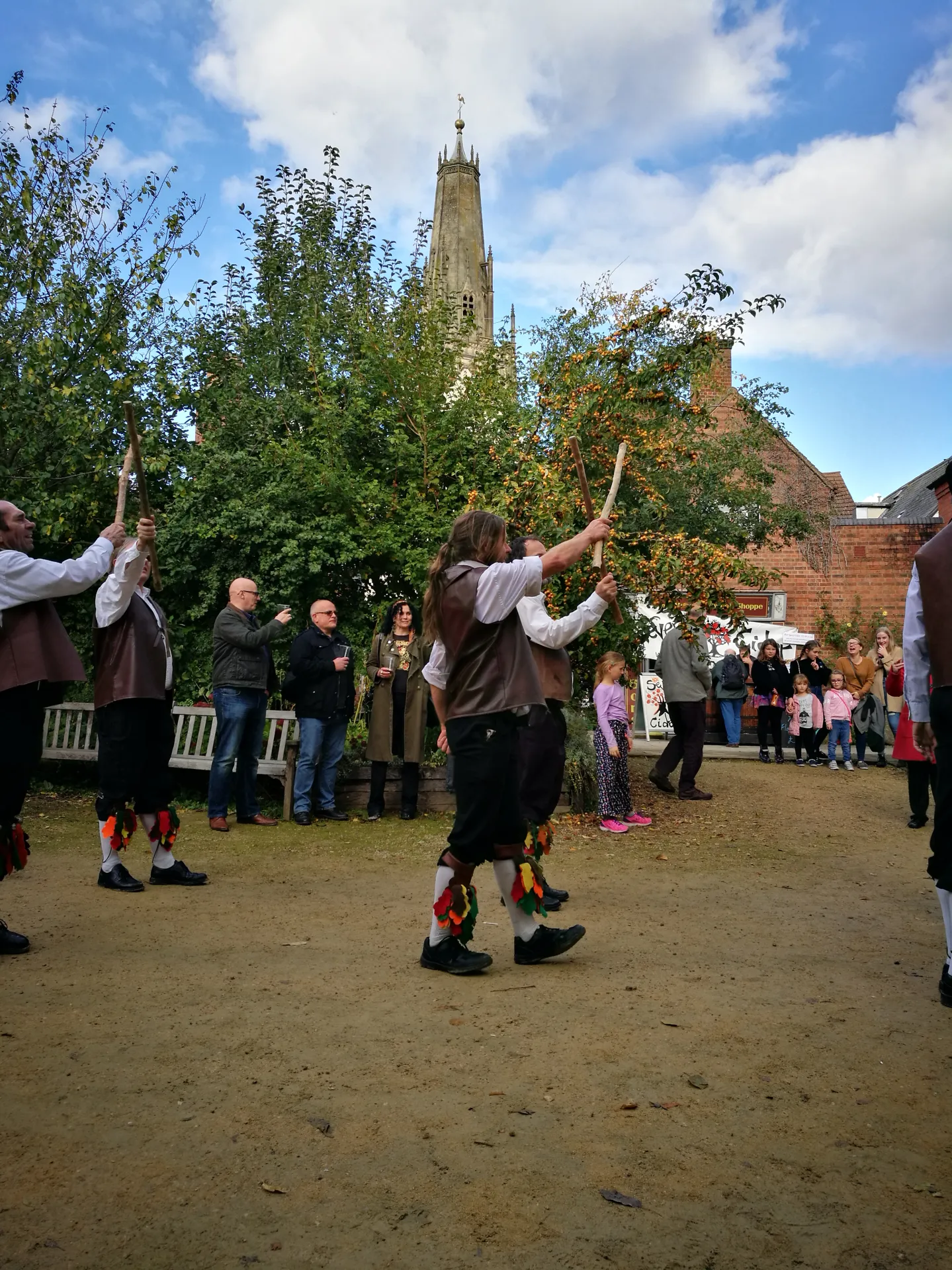
Lassington Oak are a men’s Cotswold Morris side from Highnam, near Gloucester… but we’re not just about bells and sticks…
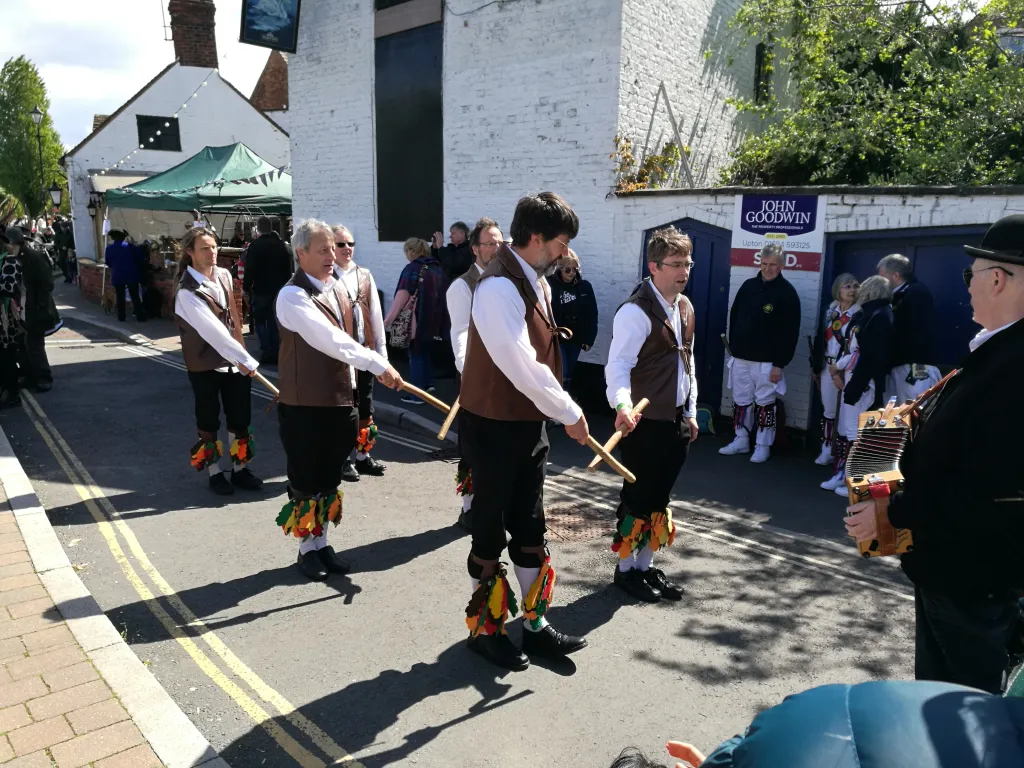
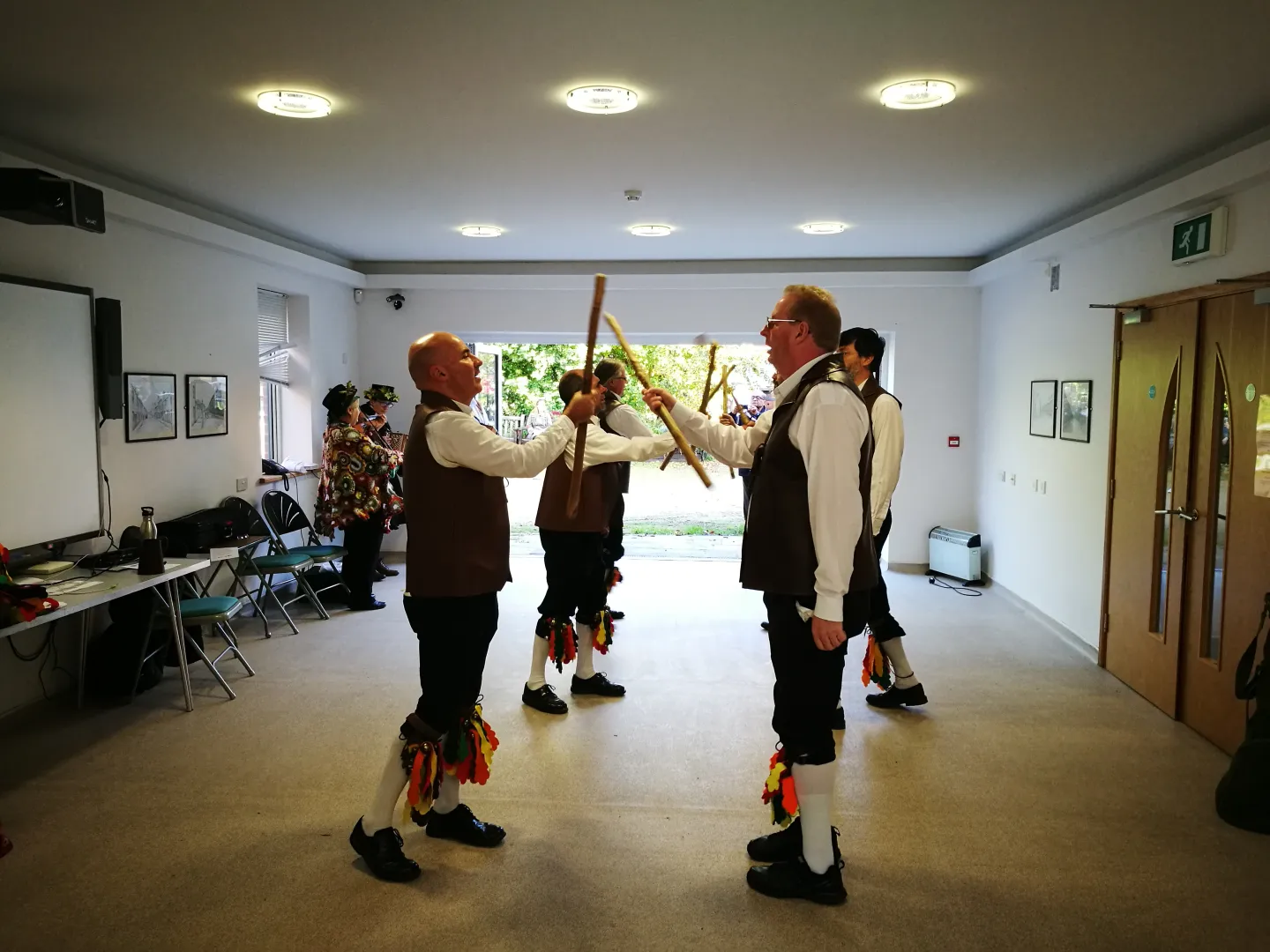

Of course, we love a good dance – but that’s only the beginning. We’re just as at home belting out a tune, striking up the band, performing a mumming play, or raising a glass (and a cheer) at a traditional wassail. If it’s lively, traditional, and a bit noisy, we’re probably involved.
We’re an active bunch too, dancing across Gloucestershire and beyond, with adventures taking us to places like Kent, Sidmouth, and even a recent 50th anniversary tour of the Isles of Scilly. Closer to home, we host our own festival, Folk in the Orchard – a proper celebration of folk, fun, and community spirit.
Feeling tempted? You should be. No experience needed – just enthusiasm and a sense of humour. We’ll teach you the rest.
Join us Wednesday evenings (8–10pm) in autumn and winter at the Old School Room, Highnam Community Centre (GL2 8DG)… and see what all the fuss is about!
Every year, we donate money raised from our collections to chosen local charities. In 2026, our nominated charity is the Gloucester Men’s Shed, supporting men’s mental health and wellbeing.
Morris Dancing
LOMM were formed in 1977 by a group of dancers from the Gloucester & Stroud area. They were renowned not only for their dancing, but as fine musicians and singers. In many ways this start was reminiscent of the village and family traditions of early Morris Sides.
The side owes its name to an old oak tree to be found near the centre of Lassington Wood at Highnam, Gloucestershire. Unfortunately the old oak has been lying on its side for many a year, but a new tree planted by the side is flourishing.
We dance in the Cotswold Tradition, performing dances from a variety of villages including Bampton, Bledington, Adderbury and Fieldtown.
Morris Dancing should be an energetic and competitive sport, LOMM are keen to show anyone who is watching that what we do is not only a living part of the traditional heritage of the country, but also, a good fun tradition to be involved in.
LOMM are a member of the Morris Ring, an organisation which works to promote, preserve, and maintain the tradition of Morris Dancing.
"
Mumming
Can cure the hitch, the stitch, the palsy and the gout. All pains within and all pains out; If the devil’s in this man, I’ll fetch him out…
Mummers’ Plays are traditionally performed over the Christmas period and are believed to have their roots in pre-Christian rituals. They are almost certainly older than Morris Dancing.
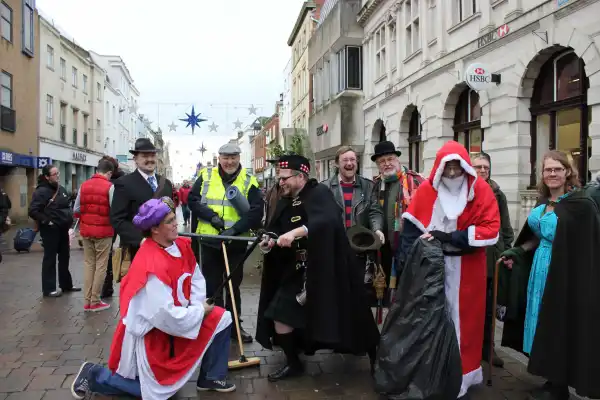
Lassington Oak Mummers perform the play from Highnam. The play was last performed in either November 1901, 1904 or 1918 by the Highnam Mummers, before being revived and performed by us for the first time on Wednesday, 18th December 1996 at The Dog, Over; The Tall Ship, Gloucester; The Whitesmiths Arms, Gloucester and The Fountain Inn, Gloucester.
The Blacking of the faces is traditional. It is believed it may have ritualistic origins, although it is more likely that it formed a form of disguise to assist begging, which in the past was heavily punished.
Lassington Oak Mummers would like to stress that they only beg for charity, not beer (although we will accept gifts of beer readily).
Central to all Mummers’ plays is the battle between light (personified by St George or King George) and darkness (personified by the Turkish Knight). The two fight and St George kills the Turkish Knight, significantly when the darkness is at its strongest. The quack doctor then “mysteriously” revives the Turkish Knight so the fight may continue the following year. Once this is complete various sundry characters follow who have little to do with the story line, and are later additions provided to encourage the audience to part with their money.
Every Village in England would have had its own Mummers’ Play at one time. There are believed to be about 1,000 extant plays which fall into three categories: Combat Plays, Wooing Plays, confined to Rutland, Lincolnshire, Nottinghamshire & Leicestershire, which are normally sung or have an element of song in them, and Sword Plays originating from the North of England.